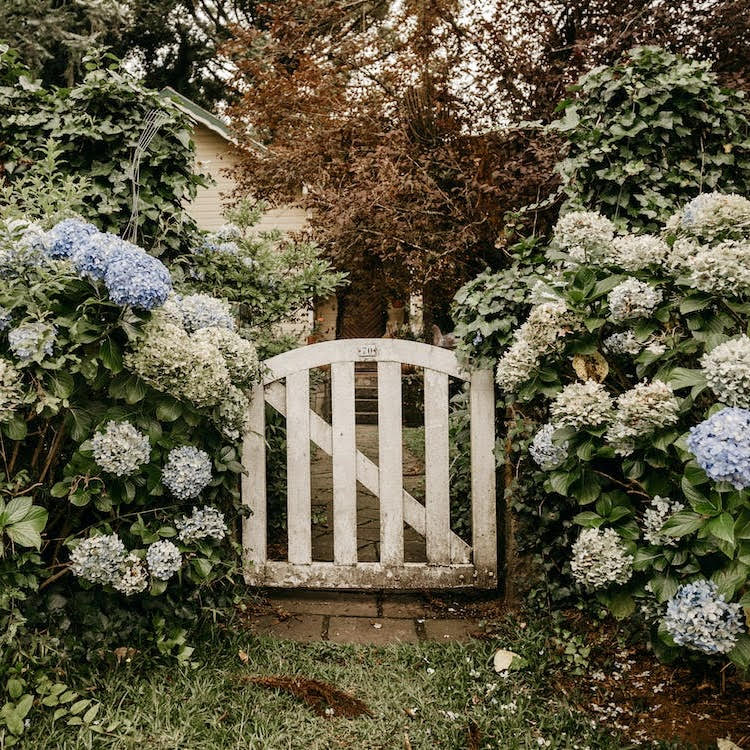
How to Create a Magnificent English Garden- The Ultimate Guide
If you’ve ever read The Secret Garden by Frances Hodgson Burnett, then chances are you’ve dreamt of what it would be like to have such a majestic, dreamy garden in your yard- climbing roses scaling intricate iron archways, colorful birds reposing on vibrant green boxwoods, and the sweet smells of lavender enchanting you as you meander through. The technical name for this so-called “dreamy” garden is the English Garden. And, I have some super exciting news! Creating a magical English garden is not impossible. Nor is it hard. Today, I’m going to be giving you the ultimate guide on how to create the English Garden of your dreams.
What is an English Garden?

PHOTO CREDIT: HOUSE & HOME
The English garden is more of a practice than an actual garden type. It focuses on the natural, free-flowing tendencies of different types of trees, shrubs, flowers, herbs, and vines. Unlike a structural garden with sharp lines and edges, the English garden tends to look wilder and more natural. English gardens also tend to focus both on looks and functionality. After all, if you’re going to put in the effort to grow a garden, why wouldn’t you want to grow plants that give you nutritious, fresh produce?
English gardens work great for traditional, classical, cottage, Tudor, bungalow, or really any type of home design. They can be as large or as little as you would like. And, they often don’t require much maintenance or care once they’ve been established (as most of the plants are perennials). Alright, now that you know what the English garden is, ready for a short history lesson on where and how this gardening practice came to be?
A Little History Lesson

The English garden (as you may have been able to guess by the name) started in England during the 18th century. Up until this time period, gardens had always been grown to display man’s control over nature. Shrubs were manicured to look appealing to the human eye by making them as geometrical and repetitive as possible. When the 18th century rolled around, Francis Bacon strongly criticized this gardening approach. He believed that trees and shrubs should be allowed to grow however they pleased without needlessly pruning them for “beauty”. Unlike the structural gardens that display man’s control of nature, Francis Bacon and his supporters began creating gardens that displayed nature’s power over man. More supporters eventually joined him, and the English garden practice was born. People all over the world began adopting this new gardening approach, and now it is one of the most common gardening styles there is.
The Most Common Plants Found in the English Gardens
Roses

Every proper English garden has (or should have) at least one rose bush in it. And, in some English gardens, roses are the star of the show. All other plants are merely complementary. Climbing roses, shrub roses, wild roses… all types of roses are welcome! I personally recommend adding a combination of all types of roses to your English garden for more variation in texture and shape. However, if space is lacking, even a potted rose bush is better than no rose bush at all.
Lavender

PHOTO CREDIT: PLANTS.RUTGERSLN.COM
Lavender and roses go together like cheese and wine (or peanut butter and jelly, depending on the type of person you are). The two plants both love the exact same environment- well-draining soil and full sun. The lavender also acts as a natural pest deterrent. It is believed that the perfumed scent keeps aphids away. Sounds like a win-win to me!
Phlox

PHOTO CREDIT: GARDENER’S PATH
You know the mass of bright, small flowers you often see in perennial gardens? Those flowers are most likely a variety of phlox called “creeping phlox.” Perfect for ground cover, a curtain background, or a gap filler, phlox is a great plant to add to your English garden. They bloom in late spring to mid-summer (The same time as your roses bloom). They require minimal to no effort as far as maintenance is concerned. And, they spread fairly easily. If you’re looking for a low-maintenance, fast-growing perennial to add to your English garden bed, phlox is the best option out there.
Lupine

PHOTO CREDIT: WORLD OF FLOWERING PLANTS
Purple, pink, blue, yellow, red, gradient… lupine comes in a multitude of different colors and varieties. They make excellent border or background plants in an English garden, as they tend to be a bit taller. And, they’ll flower all summer long if you deadhead and provide them with enough sunlight. Another bonus? They don’t take up a ton of space! If you love bright, colorful flowers, then make sure you don’t forget to add some lupine to your English garden bed.
Delphinium

PHOTO CREDIT: CRAFTY FOR HOME
The sister of lupines, delphiniums carry many of the same traits as lupines. Delphiniums are short-lived perennials (generally 2 to 3 years) that come in an array of different shades of violet, purple, pink, red, and even white. They make excellent backgrounds for an English garden! Delphiniums are also huge pollinator magnets, attracting all kinds of butterflies and hummingbirds. Every English garden feels one step closer to being completed after it has a couple of delphinium plants.
Hollyhocks

PHOTO CREDIT: GARDENISTA
If you’ve ever seen a wall of brightly colored, tall flowers lining a cottage fence or a barn wall, then chances are you were looking at hollyhocks. Hollyhocks are the epitome of the English gardens found in the northeast. These brightly colored, tall flowers do excellent along walls, fences, boxwoods, or anywhere that will protect them from strong winds. With bright blooms all summer and through the fall, you can’t go wrong with traditional hollyhocks.
Anemones

PHOTO CREDIT: COUNTRY LIVING MAGAZINE
Magical, elegant, and striking, it’s hard not to fall in love with anemones. They bloom from early spring through late fall and look absolutely wonderful when planted next to roses and herbs. The flowers themselves are smaller than a rose but larger than a phlox. And, the petals normally have a pinnate-like shape (similar to those found on a daisy). If you’re looking for flowers that will take your English garden to the next level, then anemones are the plants for you!
Primroses

PHOTO CREDIT: PAM GREER
Many plants require partial to full sun and well-drained soil, but not the hardy primrose! Primroses are shade-tolerant, thirsty flowers that require almost no effort to grow once planted. All they ask for is occasional watering and pruning. With over 500 different species that come in endless colors and types, you’re sure to find the perfect primrose match for your English garden.
Perennial Grasses

PHOTO CREDIT: MONROVIA
Every well-informed English gardener knows how important it is that a garden has variation (flowers, herbs, grasses, etc.). Perennial and ornamental grasses provide that extra layer of color and texture that a garden needs to look and feel complete. Maiden, fountain, feather, Acorus, and so many other grasses make excellent additions. Take my advice. When you go to plan your English garden, don’t forget to add some grasses. Your garden will need them!
The English Garden Essentials
Add a Bench or Table and Chairs

PHOTO CREDIT: CIDNHA MENEGHEL
Secluded, peaceful seating areas in an English garden are a must-have feature. Many powerful men made world-changing decisions on the benches in their estate’s English garden. And, many young couples confessed their love for one another seated underneath a canopy of fragrant roses. Maybe you’re somebody who likes to entertain often. Or, you love the idea of strolling through your garden to enjoy tea and refreshments at the small table and chairs underneath your hydrangeas. Either way, adding seating is a great way to make your English garden more welcoming for guests while giving you a little hideaway you can retreat to whenever life gets out of hand.
Where Do I Get Seating for My English Garden?

English gardens are all about history and plants. Although you could run to Target and pick up a cheap set of chairs and a small table for your English garden, you won’t get that old-world feeling you’re most likely wanting. English gardens aren’t supposed to be brand-new, shiny places. They’re supposed to veer away from refined shapes and elements that don’t hold value. For this reason, I fully recommend getting all of your seating for your English garden secondhand. It will save you money, give you authenticity, and add to the story your garden is trying to tell. There are many different places and ways to score secondhand seating. Here are a few of my personal favorite ways that I like to find used benches, tables, and chairs.
Thrift Shops

Thrift shops are a great place to buy seating for your English garden. Buying a wrought iron bench or a little stone table with some wooden chairs at a thrift shop will save you a lot of money. It will also help give you the authentic English garden look. One of my personal favorite second-hand stores to visit for furniture and outdoor seating is Habitat for Humanity. They have an abundance of options to choose from, and most of the pieces are in immaculate condition. That said, basically any resale shop, thrift store, or Goodwill should have at least one decent set of outdoor seating for you.
Facebook MarketPlace

If you’re not big on shopping around second-hand stores or thrift shops, then Facebook Marketplace is a great way to score a set of outdoor seating for your English garden. One man’s trash is another man’s treasure in this case! So, if you have Facebook, I definitely recommend giving Facebook Marketplace a shot.
The Side of the Road

You probably think I’m joking. But, nope! I’m serious. The side of the road is a great place to pick up some seating for your English garden. The best day to go hunting for this kind of stuff is the day before trash day in your area. This is most likely when people will be setting out their trash or belongings they no longer want outside. Just make sure that it is next to where the trash pick-up would be. And, If there’s not a sign that says “free” or “for free,” double-check with the owners before loading into your car. What would be better than telling your family and friends about the time you trash-picked this awesome bench by the boxwoods?
Make your English Garden a Bird Haven

Birds add so much entertainment and joy to a backyard. Watching a family of cardinals perched in trees, catching a glimpse of the shy tufted titmouse, and having hummingbirds buzz right past you is always an exciting experience. The English garden essentials list is not completed until you’ve added some bird attractions.
Bird Baths

What’s more adorable than watching a robin splash in the water? Bird baths come in a range of different materials, shapes, and sizes. They can be thrifted, bought at local bird shops, or even online. It may be tempting to buy just a cheap plastic one, but I can assure you that high-quality stone bird baths are the way to go. Not only will they fit into the whole English garden theme better, but they’ll also last for much longer than a plastic one would. They’re less likely to crack and can tolerate rough weather better than plastic bird baths. Plus, why wouldn’t you want to spoil the sweet cardinal that sings so sweetly to you every morning with a beautiful granite bird bath?
Bird Feeders

Although you should be filling your garden with varieties of plants that attract birds, butterflies, and bees, having a bird feeder is still necessary if you want the max amount of birds possible. There’s a lot of different information out there on the different types of feeders, seeds, and methods of feeding birds. Feel free to check out the links below to learn more about what you should be providing for the birds in your area:
- 12 Types of Bird Feeders Every Backyard Birder Should Know
- The 15 Best Bird Feeders to Attract Cardinals, Hummingbirds, Finches, and More to Your Yard
- Bird Migration Map
Bird Houses

On top of providing a bird bath(s) and feeders, you should also provide the birds with accommodations for raising their young. You can either do a little weekend DIY session and make a birdhouse, or you can just buy one. Birds aren’t overly picky as far as looks are concerned, but there are a ton of cute options available. Some birdhouses even have intricate artwork painted by artists on them. Make it a challenge to find the most unique birdhouses you can, and watch that family of grosbeaks fly around your yard the entire season!
Arches

PHOTO CREDIT: HOUSE BEAUTIFUL
Many English gardens host lots of climbing varieties of plants. Climbing roses and ivy can’t live unless they have something to continuously climb. Arches make great structures for those climbers to latch onto. Although it may take a few years for those climbing varieties to reach the top of an archway, the wait is well worth it! An archway of climbing roses or ivy is sure to be a showstopper in your English garden. The subtle shape screams elegance and adds a magical flare that you and your guests can take beautiful photos under.
Pathways

PHOTO CREDIT: SANCTUARY HOME DECOR
If you’re going to have seating, bird attractions, and archways, then you have to have pathways to get around those features. There are many different filler and paver options out there. What type of filler or paver you choose is solely up to you and your garden’s needs/style.
Types of Fillers
Gravel

PHOTO CREDIT: ONE KINDESIGN
Often a grayish color with a very fine, rough texture, you can never go wrong with a gravel pathway in an English garden. If your pathway is rather long, then gravel is probably the most economical route to go. It costs less than pavers would, and it’s not nearly as laborious to install as all other pathway options. Minimal effort, upkeep, and money- but, a beautiful, classical, serene look. Gravel is the way to go!
Pebbles

PHOTO CREDIT: HOW DOES SHE
The older, larger version of gravel, pebbles are another one of those easy-to-install, affordable options. The only difference between gravel and pebbles is that pebbles are slightly larger and have more color variation. If you like the idea of gravel but are worried about the small shards making a mess, then pebbles are a great pathway filler to choose from.
Sand

PHOTO CREDIT: BETH DYHR
Sand makes a lovely filler for the English garden! It gives a natural, softened look that compliments all of the plants very well. It also doesn’t hurt nearly as bad to walk on if you like to go barefoot around your garden often. There are many different color options, and they typically come in large bags. Which (as you can guess), makes it the most affordable pathway filler option available.
Dirt

PHOTO CREDIT: LINDA
Yes, folks, you heard me right. Dirt pathways are exceptional too. The best part about a dirt pathway? There’s basically no upkeep (other than picking weeds here and there). And, it’s free! All you have to do is work for it. If you would like me to make a more detailed blog post on how to make a proper dirt pathway, please let me know by leaving a comment below. Until then, just know that dirt pathways are fun, functional, and great for beginners.
Types of Pavers
Brick

PHOTO CREDIT: GAVIN HISTORICAL BRICKS
Oh, yes. The timeless, classic, striking look of brick pavers is a crowd-pleaser! Those bold shades of red brick mirroring those bold shades of red roses create quite a masterpiece. Although brick isn’t the most affordable of pathway options to pick from, it’s also not the most expensive. The effort it takes to install and the upfront cost is a worthy investment. Your brick pathway will last for years (and in some cases decades).
Slate

PHOTO CREDIT: MEGAN GJERSVIG
Coming in a wide range of different sizes and shades of gray, slate makes a great English garden pathway. It’s very thin and relatively inexpensive compared to most other natural stone paver options. One thing to keep in mind with slate pavers is that, over time, they may crack or chip due to weather fluctuation or age. That said, they make an excellent choice if you’re concerned about loved ones tripping on rough pathways.
Limestone

PHOTO CREDIT: USENATURALSTONE.COM
Some of you may like the idea of brick. However, you’re not a fan of the red color brick tends to be. And, guess what? I have the paver option for you! Limestone makes a great English garden paver choice if you like the shape of brick but don’t like the idea of having a red pathway. Shades of limestone range from off-white to pale yellow. With different sizes, varieties, and textures, you can’t go wrong with classic limestone.
Make it Yours, Make it Unique, and Have Fun!

PHOTO CREDIT: THE CROWNED GOAT
The English garden has a rich history behind it. Creating your very own English garden is a great way to honor that history. While you build your garden, make it yours, make it unique, and have a little fun! Don’t worry too much about the layout, the types of plants, and how large the plot is… just go for it! Get the whole family involved, call up your friends for help, and make it a group project.
If you put a little sweat, lots of love, and all of your heart into it, then it’s destined to be beautiful. The main goal is to make your garden a place where you can forget the worries of life for a little while, bask in the sun, and intoxicate yourself with the magnificent smells and scenery they offer. As Alfred Austin famously quoted, The glory of gardening: hands in the dirt, head in the sun, heart with nature. To nurture a garden is to feed not just the body, but the soul.”
Resources:
- The Editors, “How to Plant, Grow, and Care for Phlox,” Almanac, Updated April 21, 2023, https://www.almanac.com/plant/phlox
- Jamie Mcintosh, “How to Grow and Care for Lupine,” The Spruce, Updated September 9, 2021, https://www.thespruce.com/growing-lupine-flowers-1316034
- Catherine Boekmann, “How to Grow, Plant, and Care for Delphinium Flowers,” Almanac, Updated April 10, 2023, https://www.almanac.com/plant/delphiniums
- Viveva Nevein, “How to Plant and Grow Hollyhock,” Better Homes and Gardens, Updated May 1, 2023, https://www.bhg.com/gardening/plant-dictionary/perennial/hollyhock/
- “Your Guide to Planning, Planting, and Growing Anemones,” Longfield Gardens, https://www.longfield-gardens.com/article/all-about-anemones/
- Marie Ianotti, “How to Grow and Care for Primroses,” The Spruce, Updated April 28, 2022, https://www.thespruce.com/primula-the-primrose-is-no-shy-wallflower-1402858
- “The Guide to Perennial Grasses,” English Gardens Make Life Beautiful, https://www.englishgardens.com/the-guide-to-perennial-grasses/
0 Comments